Beyond the Presentation: Turning Convention Conversations into Actionable Marketing Wins
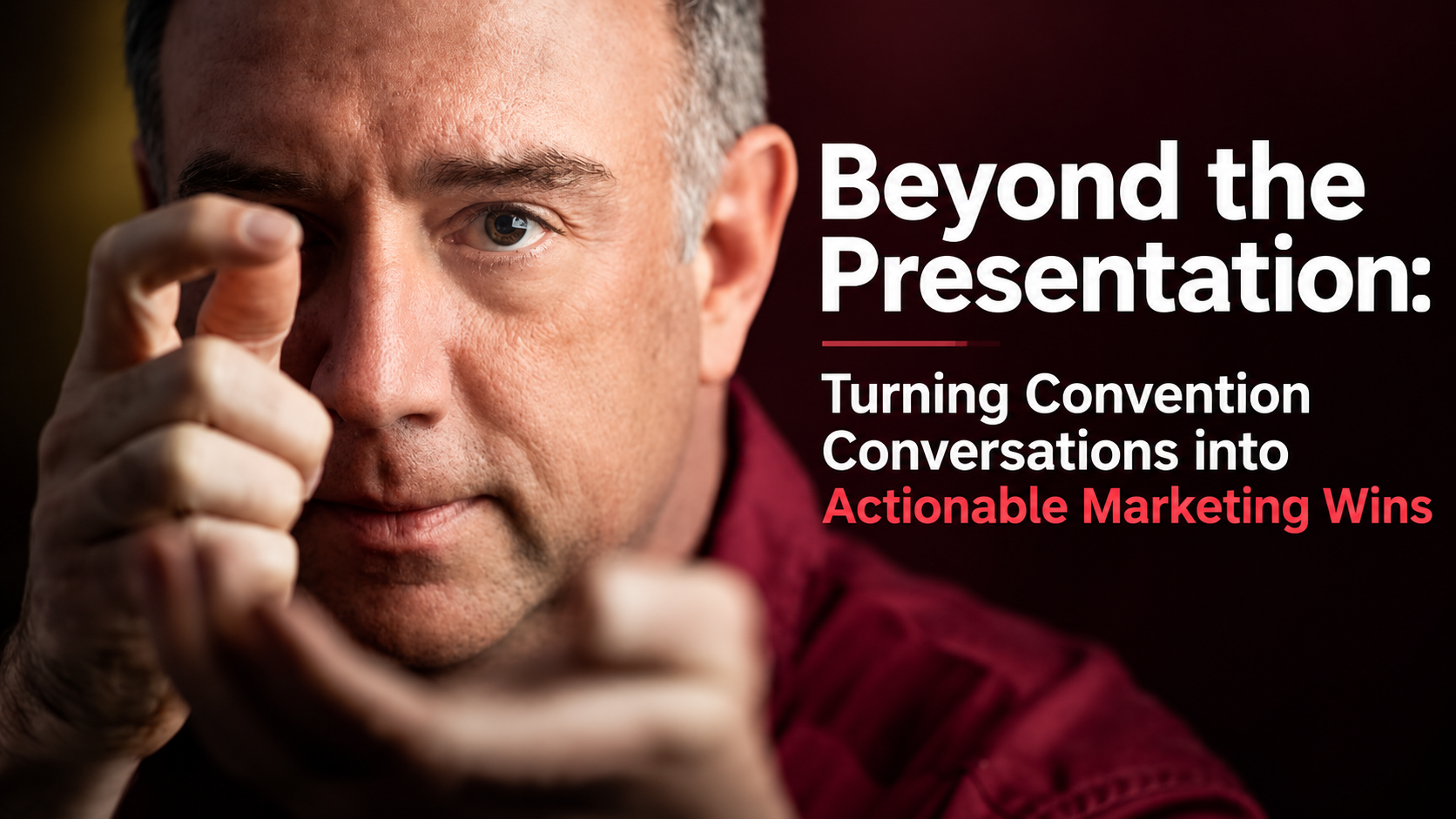
Written by: APPA blog contributor Colby McLemore
The best thing you bring home from a photography convention may not come from a presentation at all.
I say that as someone who has spent a lot of time on both sides of the classroom. I’ve spoken nationally and presented to professional photography organizations around the country on commercial photography, technique, business, and marketing.
The programs matter. They get us in the room. But some of the most valuable education I’ve received has happened after the program ended, sitting around talking with other photographers.
The Value of an Accessible Photography Community
That is one of the things the Professional Photographers of Arkansas does exceptionally well.
I’m a strong supporter of large national conventions, including PPA’s Imaging USA. There is tremendous value in having that many photographers, vendors, speakers, and educational opportunities in one place. But it can also be a zoo.
A strong state convention offers something different: accessibility. You can actually sit down with a speaker or another working photographer over a cup of coffee and continue the conversation. All it takes is having the nerve to walk up and start it.
In my experience, most speakers want you to start that conversation. We didn’t travel there just to talk at you for an hour or two and disappear.
Questions after a program often lead somewhere the formal presentation couldn’t. Someone asks about a specific problem. Another photographer joins the conversation. Somebody challenges an idea. Suddenly, you have three or four people comparing what is actually working in their businesses.
That exchange can be worth as much as the presentation that started it.
Learning From Photographers Who Are Doing the Work
Arkansas has an unusually strong community of photographers who are actually doing the work.
New photographers are welcomed—and they should be. But there is also tremendous value in being surrounded by people who are actively running photography businesses. They are dealing with clients, marketing, pricing, workflow, competition, technology, and all the other things that come with earning a living with a camera.
Your education, therefore, isn’t limited to the people standing on the stage. Some of the best perspectives may come from the person sitting beside you.
The Conversation That Followed Me Home
My last program in Arkansas is a perfect example.
I was teaching about Google Business Profile, but the program sparked a conversation afterward with Jason and Donnie about artificial intelligence and marketing.
AI is changing ridiculously fast. What you learn today can feel outdated tomorrow. Our conversation went beyond what I had covered in the presentation and into what these new tools could actually allow us to accomplish in our businesses.
That conversation followed me home.
Over the next couple of months, I spent a crazy amount of time working on my marketing with AI. More importantly, I began tackling marketing projects and ideas I had wanted to implement for years but had continually pushed aside because of the amount of work involved.
The technology had finally made some of those ideas practical.
The catalyst wasn’t an AI presentation. It was a conversation at an Arkansas convention.
Turn Convention Notes Into Action
Of course, an idea has absolutely no value if you never implement it.
This is where photographers can waste an enormous amount of education. We attend a convention, fill a notebook with ideas, come home exhausted, put the notebook somewhere safe, and immediately return to everything that was waiting for us.
Six months later, we attend another convention and start another notebook.
I take notes differently because I’m looking for action, not transcription. I’m not trying to write down every smart thing a speaker says. I’m listening for something I can use.
I mentally sort ideas into four basic timeframes:
What can I implement right now?
What can I implement within the next week?
What belongs in the next month?
What is worth considering over the next year?
As better ideas appear, weaker ones get scratched. My goal is to leave with a prioritized list of actions, not a perfect record of the presentation.
The fastest useful ideas usually get my attention first. If I hear something during a presentation that I can implement immediately, sometimes I do it while I’m sitting there.
Other ideas require research, planning, or more time. That’s fine. The important part is deciding when an idea deserves action.
Otherwise, education can easily become entertainment—interesting in the moment but incapable of changing your business.
Photography Is Only Part of the Job
For professional photographers, the business side deserves far more attention than many of us naturally want to give it.
Photography usually isn’t the part we struggle to make ourselves do. We became photographers because we enjoy photography. We want to make photographs, study photographs, talk about photographs, and learn how to make better photographs.
There is absolutely nothing wrong with that. If photography is your hobby, enjoy every minute of it.
But if photography is your business, learning photography is only part of your job.
You also have to market, sell, communicate, follow up, develop systems, serve clients, manage money, and make decisions about where your time produces the greatest return.
Those things may not be as much fun as picking up a camera, but ignoring them doesn’t make them less important. A photography business needs both sides.
Good Work Still Needs Good Marketing
That is one reason I spend so much time on marketing.
I’ve even been criticized by competitors for being a good marketer, which is criticism I’m perfectly happy to accept.
Good photography matters enormously, but good photography nobody knows about is difficult to build a business around. Marketing rewards consistent effort, and today’s AI tools are making it possible to execute ideas that previously required far more time.
For me, some of that recent progress traces directly back to conversations that started at the Arkansas convention.
Make the Most of Your Next Convention
Go to the presentations, but don’t stop there.
Take useful notes. Introduce yourself to the speakers. Talk with the photographers sitting around you. Ask what they are trying, what is working, what isn’t, and why.
Then go home and deliberately make time to implement the best ideas.
The presentations may be what get you to a convention, but the community is what makes you want to come back.
The real return comes when a presentation starts a conversation, that conversation becomes an idea, and you do the work required to turn that idea into something useful in your business.
About Colby McLemore
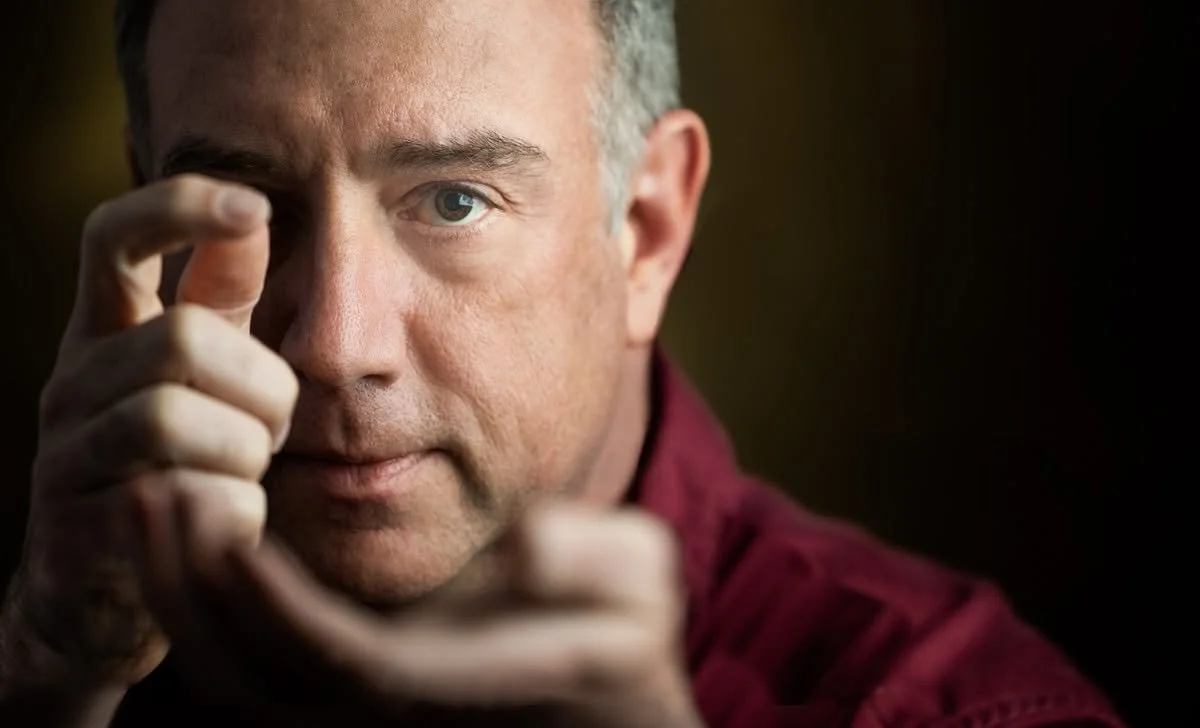
Photographer: Colby McLemore
Colby McLemore is the owner of Colby’s Photos & Videos and a full-time commercial photographer and videographer based in Knoxville, Tennessee. His work focuses on helping businesses and organizations communicate visually through professional photography and videography.
Colby is also a national speaker who presents to professional photography organizations on photography, business, marketing, and the practical application of technology.
Learn more about Colby and his work at Colby’s Photos & Videos.